
Most homeowners don’t think much about their roof until something starts leaking.
The problem is that many roofing issues build slowly over time. By the time water stains, missing shingles, or attic moisture become obvious, the roof may already be nearing the end of its lifespan.
In Michigan, most roofs last somewhere between 15 and 30 years depending on the roofing material, attic ventilation, installation quality, and overall maintenance.
Average Roof Lifespans In Michigan
Different roofing materials hold up very differently in Michigan weather.
Here is a general breakdown of how long common roofing systems typically last:
| Roofing Material | Typical Lifespan In Michigan |
|---|---|
| Standard asphalt shingles | 15–20 years |
| Architectural shingles | 25–30 years |
| Metal roofs | 40–70 years |
| Cedar shake roofs | 20–30 years |
| Flat roofing systems | 15–30 years |
Michigan roofs typically age faster than roofs in warmer climates. Harsh winters, heavy snow loads, humidity, and repeated freeze-thaw cycles all wear roofing materials down over time.
Roof Life and Extreme Weather Conditions
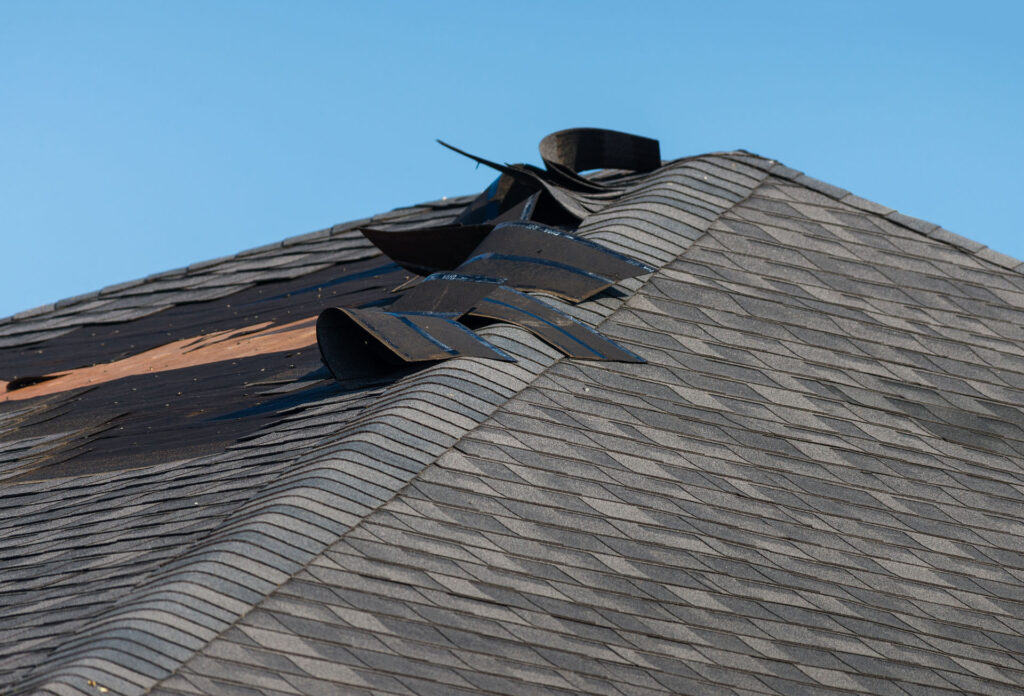
Most roofs don’t fail overnight.
They wear down gradually after years of exposure to Michigan’s changing weather. In Macomb County, that means humid summers, heavy snow, freezing temperatures, strong winds, and seasonal storms that put constant stress on roofing materials.
The biggest problems usually come from:
- Ice dams forming near roof edges
- High winds during storms
- Heat and moisture trapped inside the attic
A lot of roof damage starts when melting snow refreezes near the eaves and forces water underneath shingles. Over time, that moisture intrusion can damage the roof deck, insulation, flashing, and attic space.
Older roofs often show the effects first through cracked shingles, granule loss, leaks, or missing shingles after severe weather. If you are already seeing those issues, it may be time to schedule a roof repair inspection before the damage spreads.
Asphalt Shingle Roofs In Michigan
Asphalt shingles remain the most common roofing material used throughout Macomb County because they are relatively cost effective and easier to install than many premium roofing options.
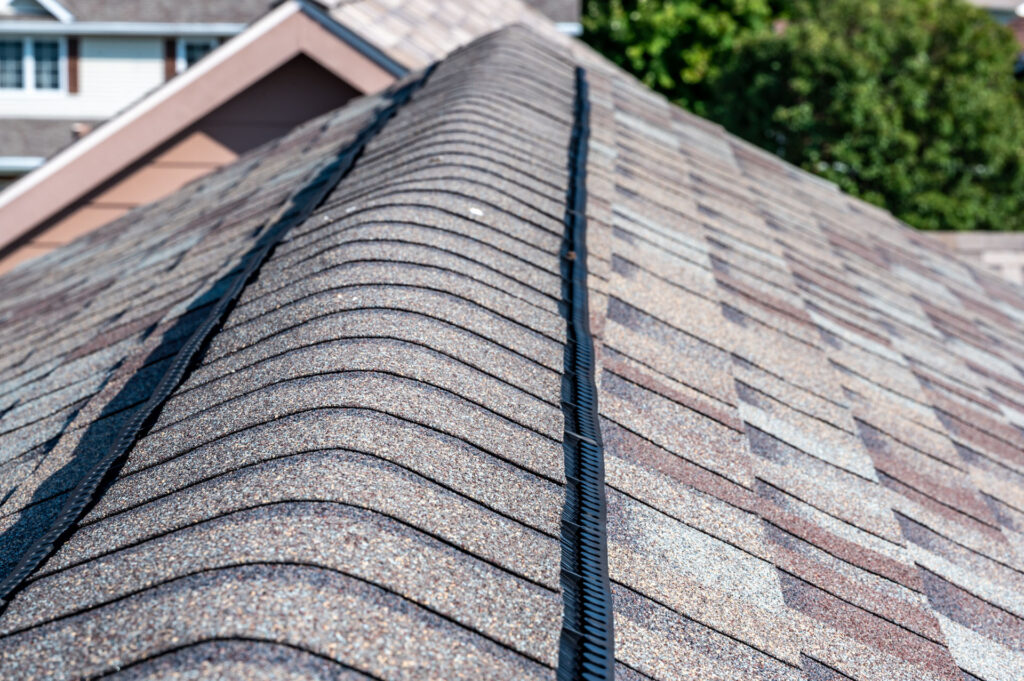
Most asphalt shingle roofs in Michigan last between 15 and 30 years depending on the shingle type, installation quality, attic ventilation, and ongoing maintenance. Lower-end three-tab shingles usually wear out sooner than thicker architectural shingles.
Architectural shingles generally hold up better against high winds, weather exposure, and harsh winters. They are also less likely to curl or crack early.
Even high quality materials can fail early, though, if the roof installation was rushed or the attic traps heat and moisture year-round.
Storm damage, tree coverage, poor flashing details, and neglected maintenance also shorten the life of many asphalt shingle roofs in Michigan.
Granules collecting in gutters are often one of the first warning signs that shingles are beginning to wear down.
How Long Do Metal Roofs Last in Michigan?
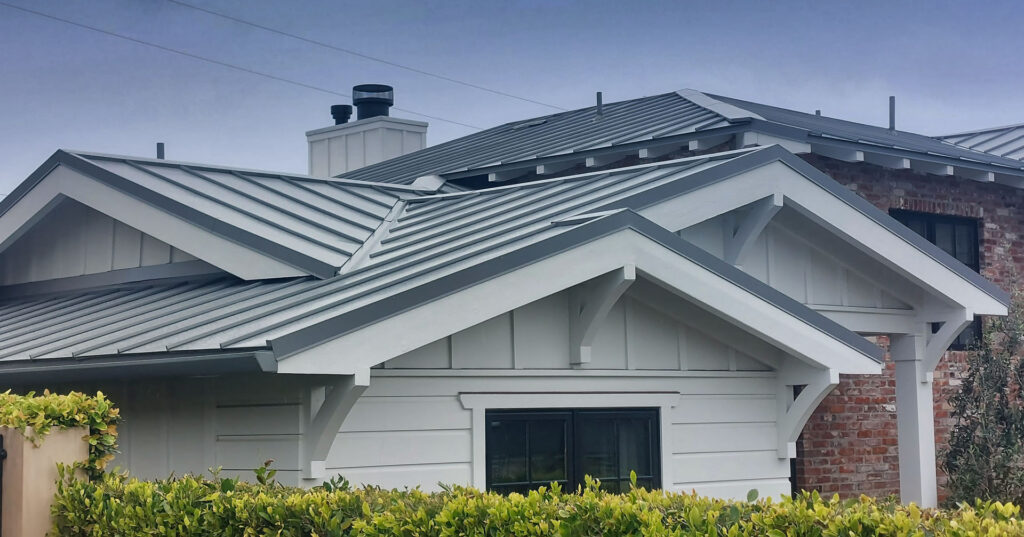
Note: Evolve Roofing does not currently offer metal roofing installation. The information below is provided for general comparison purposes.
Metal roofs have become more popular throughout Michigan because they hold up extremely well against severe weather and heavy snow.
A properly installed metal roof can last anywhere from 40 to 70 years in Michigan. Snow usually slides off metal roofing panels more easily, which helps reduce stress from heavy snow loads during harsh winters.
Metal roofs also resist high winds better than many traditional shingle systems.
That said, installation quality still matters. Poor flashing work, improper fastener placement, or ventilation problems can still create leaks and moisture issues over time.
Metal roofing generally costs more upfront than a shingle roof, so homeowners usually weigh the higher initial roof cost against the longer lifespan and lower maintenance needs.
Flat Roofs Typically Need More Monitoring
Flat roofs typically require more maintenance than sloped residential roofing systems.
They are more common on commercial buildings and modern-style homes, but they face unique challenges in Michigan’s climate. Ponding water, membrane cracking, and freeze-thaw movement can all shorten the roof’s lifespan if repairs are delayed too long.
Regular inspections matter a lot on flat roofs because smaller issues can spread underneath the membrane before leaks become obvious inside the building. Commercial property owners can review commercial roofing options when flat or low-slope roofing problems keep coming back.
Poor Attic Ventilation Shortens Roof Life
Proper attic ventilation is one of the biggest factors affecting how long a roof lasts in Michigan.
Without enough airflow, heat and moisture stay trapped inside the attic. During winter, that heat melts snow unevenly and contributes to ice dams. During summer, excess attic heat can literally bake asphalt shingles from underneath.
Poor ventilation also increases the risk of mold growth, warped decking, moisture intrusion, and higher energy bills.
Proper attic ventilation combined with proper insulation helps reduce weather-related stress on the roof and improves overall energy efficiency throughout the home.
Signs Your Roof May Need Replacement
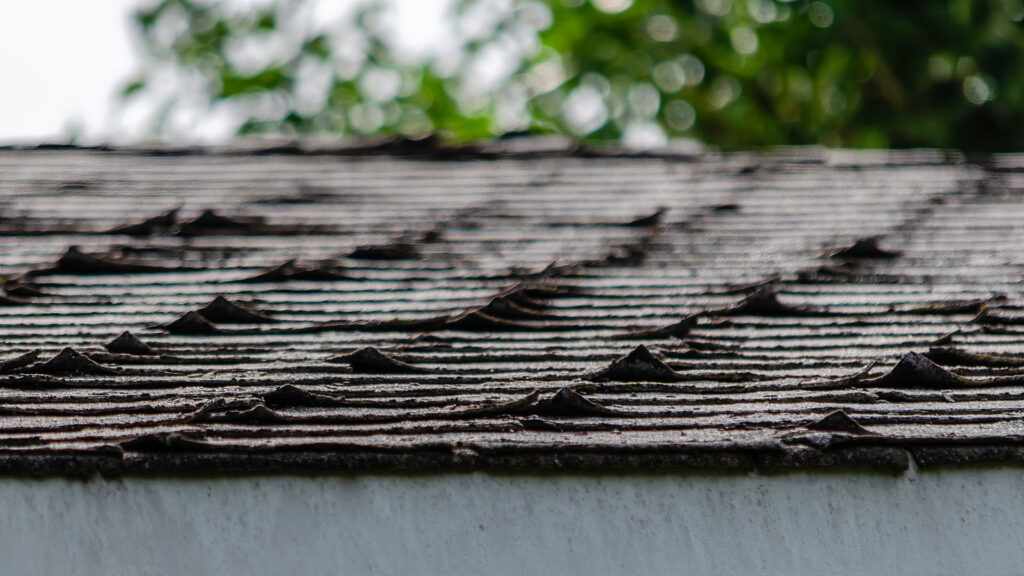
Not every roofing problem means you immediately need a new roof.
Sometimes a roof repair is enough. Other times, ongoing patchwork stops making financial sense.
Missing Or Worn Shingles
Missing shingles after storms are one of the clearest signs a roof is aging. Curling edges, cracked shingles, and uneven shingle lines usually mean the protective surface is drying out and losing flexibility.
Damaged shingles expose the roofing system underneath to moisture and weather exposure, which can eventually lead to more costly repairs.
Multiple Leaks Or Water Stains
Minor leaks can sometimes be repaired without replacing the entire roof.
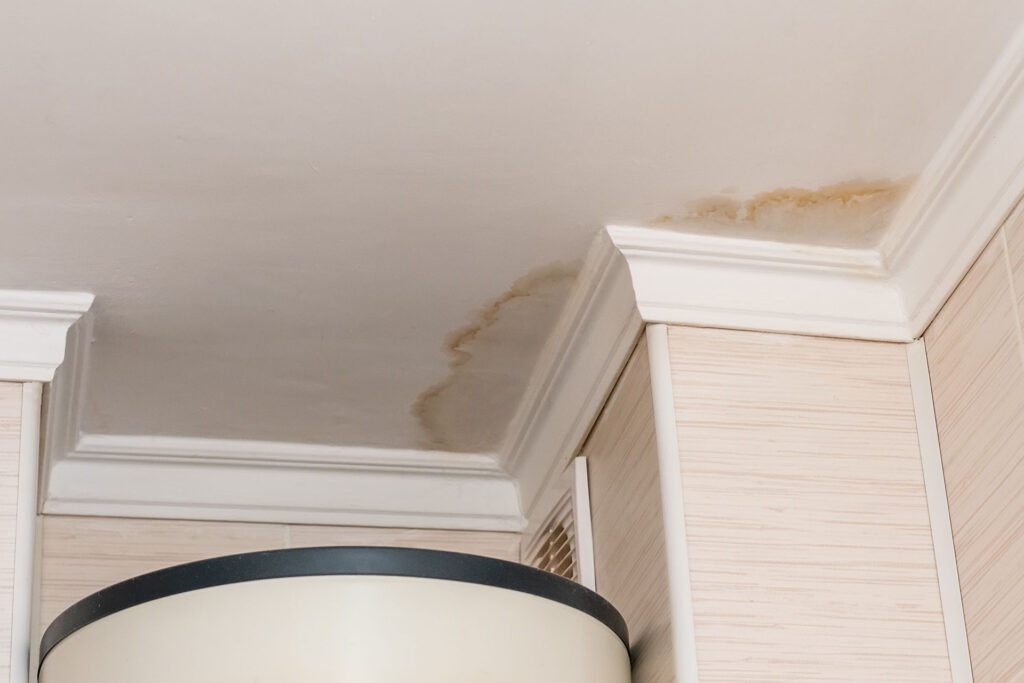
But when leaks start appearing in several areas of the home, the problem is often larger than a simple patch. Water stains on ceilings, attic moisture, or damp insulation usually point toward deeper roofing issues.
Daylight showing through attic boards is another major warning sign.
Sagging Areas Or Soft Spots
Sagging areas are more serious.
They often indicate trapped moisture or structural weakening beneath the shingles at the roof deck level. If left unaddressed, moisture buildup can eventually lead to mold growth and larger structural problems.
Recurring Ice Dams
Recurring ice dams are usually a warning sign that the attic airflow and insulation setup are not working properly.
Homes with poor ventilation often develop leaks around roof edges, valleys, and eaves during snowy winters.
Rising Energy Bills
A failing roof can affect indoor temperatures more than many homeowners realize.
Warm air escaping through the attic forces heating and cooling systems to work harder. Poor insulation and ventilation problems can both reduce energy efficiency over time.
Can Roof Repair Extend Roof Life?
Sometimes, yes.
Timely roof repair can absolutely help prevent costly repairs later and extend the life of a Michigan roof.
Fixing damaged flashing, replacing missing shingles, improving attic ventilation, and addressing minor leaks early can add several more years to many roofing systems.
Regular maintenance matters more than most homeowners think.
Simple steps like clearing debris, trimming tree branches, checking gutters, and scheduling a free inspection once a year can help catch roofing problems before they spread.
That becomes even more important after severe weather or heavy snow events.
When Full Roof Replacement Makes More Sense
There comes a point where ongoing repairs stop being practical.
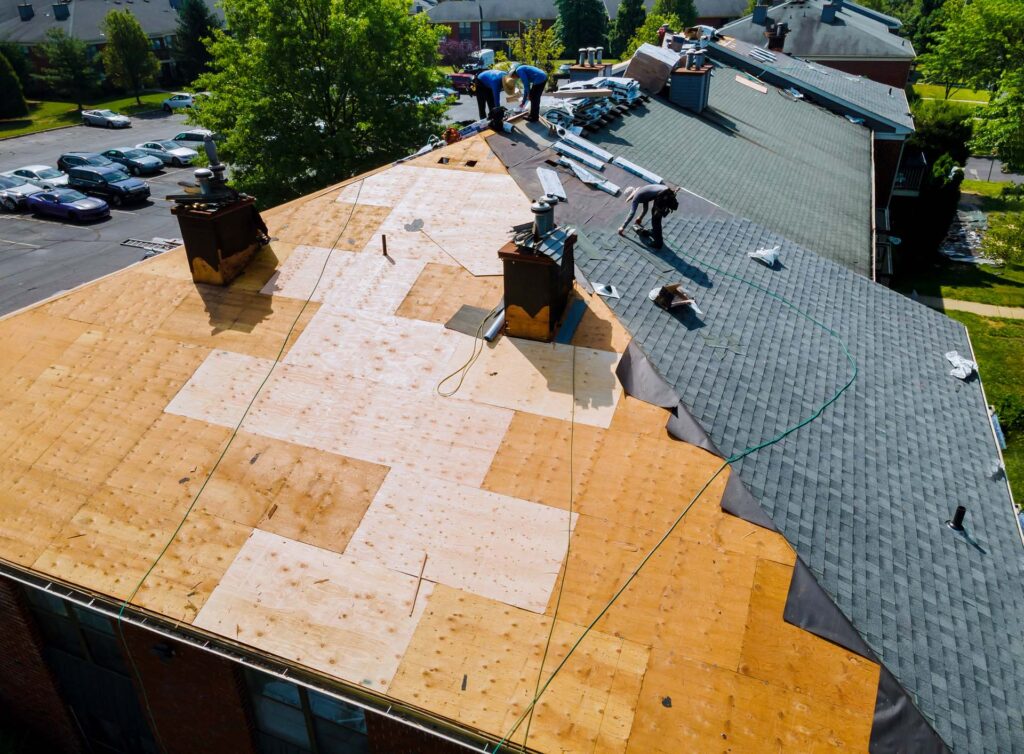
If older roofs are leaking repeatedly, losing shingles regularly, or showing widespread deterioration, a full roof replacement often makes more financial sense than constant patchwork repairs.
A new roof can also improve curb appeal while helping homeowners avoid emergency repair situations later.
Many homeowners try to plan ahead rather than waiting until leaks become severe. That usually gives more flexibility when choosing roofing materials, financing options, and scheduling. If the roof is near the end of its service life, reviewing residential roofing and roof replacement options can help you plan the next step.
What Does a New Roof Cost?
Roof replacement costs can vary quite a bit depending on the roof itself and what is found once old materials are removed.
The biggest factors usually include:
- Roof size, pitch, and complexity
- Shingle and material selection
- Decking, flashing, and ventilation repairs
In Metro Detroit, many asphalt shingle roof replacement projects now start in the upper thousands and can easily climb into the mid-to-upper teens depending on tear-off work, decking repairs, attic ventilation upgrades, and material selection.
Larger homes, steeper rooflines, and premium roofing materials increase costs further.
Many local roofing company options also offer financing programs or help homeowners explore home-improvement loan options during the roof replacement process.
Just make sure estimates clearly explain labor, materials, ventilation work, cleanup, and any possible hidden fees before signing a contract.
Choosing The Right Roofing Company Matters
Even the best roofing materials can fail early if the workmanship is poor.
Proper installation plays a major role in how long a roof lasts. Flashing details, attic airflow, underlayment installation, and cleanup all matter.
A trustworthy roofing company should explain:
- Whether roof repair or roof replacement makes more sense
- What condition the roof deck is in
- Whether ventilation improvements are needed
- What roofing materials fit the home best
- What is included in the estimate
Evolve Roofing handles roof replacement, inspections, roof repair, storm damage work, gutters, skylights, and attic venting across Macomb County and Metro Detroit with practical recommendations and low-pressure inspections.
Final Thoughts
Most Michigan roofs last between 15 and 30 years, but there is no single number that applies to every home.
Weather conditions, installation quality, ventilation, insulation, and regular maintenance all affect how long a roof lasts over time.
If your roof is getting older, showing signs of wear, or dealing with recurring leaks or ice dams, it may be worth scheduling a free inspection before small problems turn into costly repairs.
Sometimes a repair is enough.
Sometimes replacing the roof becomes the smarter long-term decision.
The key is catching problems early and getting straightforward answers before the damage spreads.
Frequently Asked Questions
How Often Should Michigan Homeowners Have Their Roof Inspected?
Most Michigan homeowners should schedule regular inspections at least once per year and after major storms. Regular roof inspections help identify leaks, damaged flashing, and worn shingles before they turn into larger structural problems.
Do Asphalt Shingles Or Metal Roofs Last Longer?
Metal roofs generally last much longer than asphalt shingles. A metal roof may last 40 to 70 years, while standard asphalt shingles often last 15 to 20 years in Michigan weather.
Can Ice Dams Damage A Roof?
Yes. Ice dams can force water underneath shingles and create moisture problems inside the attic and roof deck. Repeated ice dam issues are often connected to poor insulation or poor ventilation.
What Are Early Signs You May Need Roof Replacement?
Common warning signs include missing shingles, granule loss, multiple leaks, water stains, sagging areas, rising energy bills, and visible wear around flashing or roof penetrations.
Does Proper Attic Ventilation Really Matter?
Absolutely. Proper attic ventilation helps regulate moisture and temperature inside the attic. Without it, shingles often wear out faster and moisture problems become much more likely.